Relays may be simple devices, but they remain essential to the way modern building automation systems function. From switching loads to isolating control circuits, relays quietly manage the interaction between low-voltage controls and higher-voltage equipment throughout a facility. Without them, many everyday automation tasks would not be possible.
In mechanical rooms, control panels, and rooftop units, relays serve as dependable intermediaries. They allow a BAS controller to command fans, pumps, lighting circuits, and other equipment safely and efficiently. Understanding where and why relays are used helps contractors, designers, and technicians build systems that are both reliable and easy to maintain.
HVAC Controls
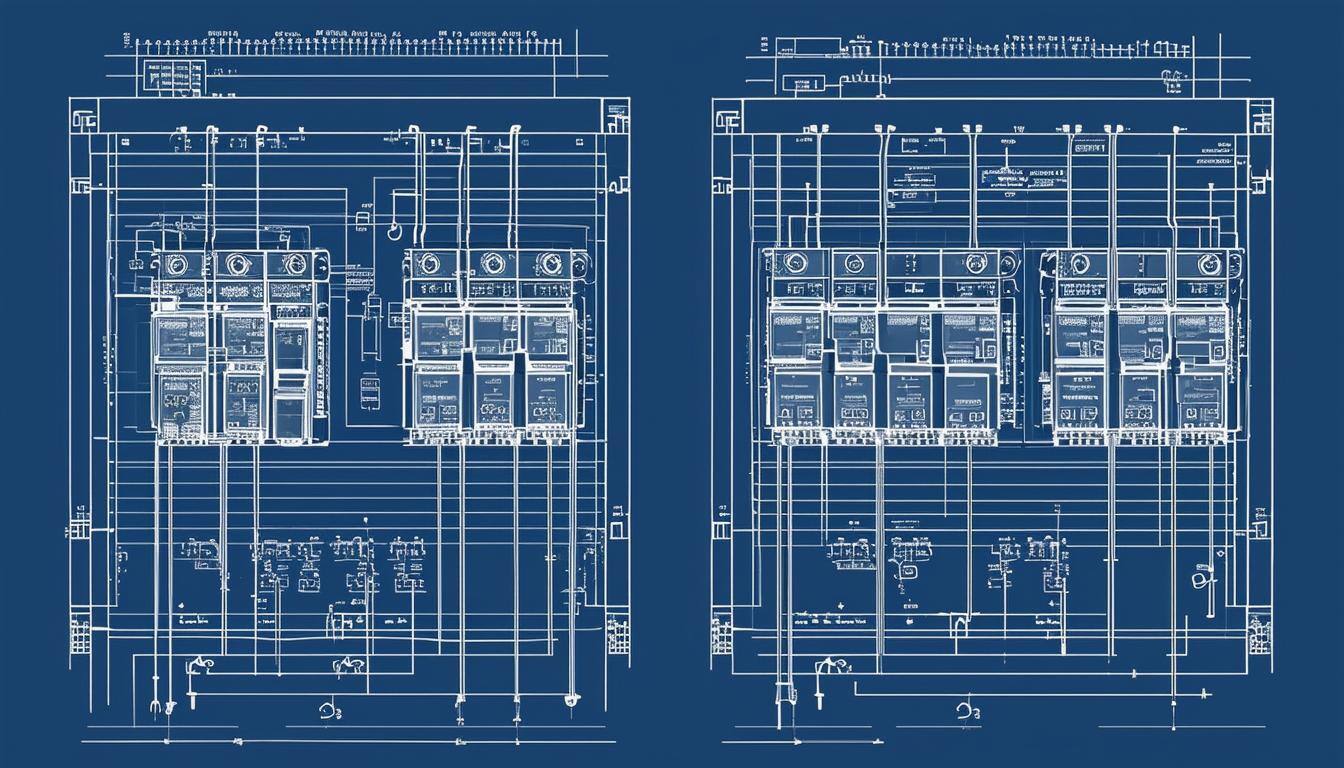
Heating, ventilation, and air conditioning (HVAC) systems are critical for maintaining comfort and air quality within buildings. These systems are complex, often consisting of multiple components such as fans, heaters, and chillers, all of which must work together seamlessly. Relays play a pivotal role in this integration by controlling the switching of motors, compressors, and other mechanical systems that regulate temperature and airflow.
Programmable relays in HVAC control systems allow for automated, real-time adjustments based on environmental conditions or user preferences. For example, relays can engage fans when temperatures rise above a certain threshold or switch off heating systems when a desired temperature is reached. The benefits of using relays in HVAC systems include improved energy efficiency, reduced maintenance costs, and enhanced comfort for building occupants.
Pump Control Systems
Pump systems, particularly for water and HVAC applications, are crucial in large buildings. Relays are essential in controlling these pumps by turning them on or off based on demand or preset conditions. For example, in a cooling system, relays can control pumps to circulate water or refrigerants when the temperature exceeds a certain threshold.
Relay-based pump control systems not only enhance operational efficiency but also reduce wear and tear on pump equipment by ensuring that pumps only run when necessary. This leads to cost savings in both energy consumption and maintenance.
Automated Lighting Systems
Automated lighting systems have become a staple in commercial buildings, offering energy efficiency and customizable control over lighting environments. Relays are essential components in these systems, as they manage the opening and closing of lighting circuits based on programmed schedules or sensor inputs.For instance, relays can be programmed to turn off lights in unoccupied rooms, helping reduce energy consumption. In larger commercial facilities, relays can be linked to centralized control systems, enabling building-wide coordination of lighting. This not only saves on energy costs but also extends the lifespan of lighting fixtures by ensuring that lights are only in use when necessary. By controlling these circuits efficiently, relays contribute to both cost savings and enhanced building sustainability.
Security Systems
In the age of smart buildings, security is a top priority. Relays are widely used in security systems to automate alarm systems, access control, and surveillance equipment. Whether it's controlling door locks, activating alarms, or triggering cameras, relays ensure timely and reliable responses to security events.
In access control systems, relays can be programmed to lock or unlock doors based on input from keycards or biometric readers. Relays also manage emergency systems, such as activating alarms in case of a fire or break-in. The use of relay-based security systems enhances both the safety and operational efficiency of modern buildings by providing reliable, automated responses to various threats.
Access Control Systems
Access control systems are essential for managing who enters and exits specific areas of a building. Relays play a key role in these systems, controlling the electrical mechanisms that lock and unlock doors or gates. In modern office buildings, relay-controlled access systems are often integrated with other security and building management systems.For instance, a relay might activate an electronic door strike in response to a signal from a keycard reader, allowing authorized personnel to enter. At the same time, the relay could be connected to a building management system that logs the entry for future reference. By integrating relays into access control systems, modern buildings enhance security, streamline operations, and improve user convenience.
Air Quality Monitoring
Indoor air quality (IAQ) is a growing concern for building managers, particularly in environments like hospitals, schools, and office buildings where occupant health and productivity are paramount. Relays are critical in air quality monitoring systems, where they are used to control ventilation and filtration systems based on sensor data.
For example, if an air quality sensor detects high levels of carbon dioxide or volatile organic compounds (VOCs), a relay can trigger the ventilation system to increase airflow and improve air quality. Relay-based air quality systems help ensure a healthier environment for occupants while optimizing energy usage by only activating systems when needed.
Energy Management
As sustainability becomes increasingly important, energy management systems (EMS) are being adopted by more and more facilities. Relays are instrumental in these systems, as they allow for the monitoring and control of energy consumption. For example, relays can switch off non-essential systems during peak usage periods or activate energy-saving modes in lighting and HVAC systems during low-occupancy hours.
By monitoring and altering energy usage in real-time, facility managers can optimize energy consumption, reduce utility costs, and minimize the environmental impact of the building. Relay-based energy management systems help make buildings smarter, more efficient, and more sustainable.
Relays Are the Backbone of BAS
The uses of relays in building automation systems are numerous. Relays provide a reliable and cost-effective solution for controlling electrical circuits. Although they can be simple, they are highly versatile, able to manage everything from simple lighting systems to complex HVAC and security applications. Relays are also easy to program and maintain, making them an ideal choice for both new installations and retrofits.
Furthermore, relays offer flexibility in design and implementation. For example, programmable relays can be adapted to meet changing needs or integrated into larger control systems. Their reliability and long lifespan make them a valuable component in any building automation system.
Relays play a foundational role in building automation, acting as the interface between low-voltage control signals and the equipment that powers a facility. They connect sensors and controllers to HVAC units, lighting systems, security devices, and access controls, allowing these systems to operate in coordination. Without relays, many of the switching and isolation functions that protect and control building equipment would not be possible.
As automation systems grow more sophisticated, the demand for reliable switching components does not disappear—it increases. Whether modernizing an older facility or designing a new installation, a clear understanding of relay applications helps ensure systems operate efficiently, safely, and with fewer service issues over time.
To learn more about integrating relay solutions into your building automation system, explore our available resources or connect with the team at Functional Devices for application guidance and product support.
About Functional Devices, Inc.
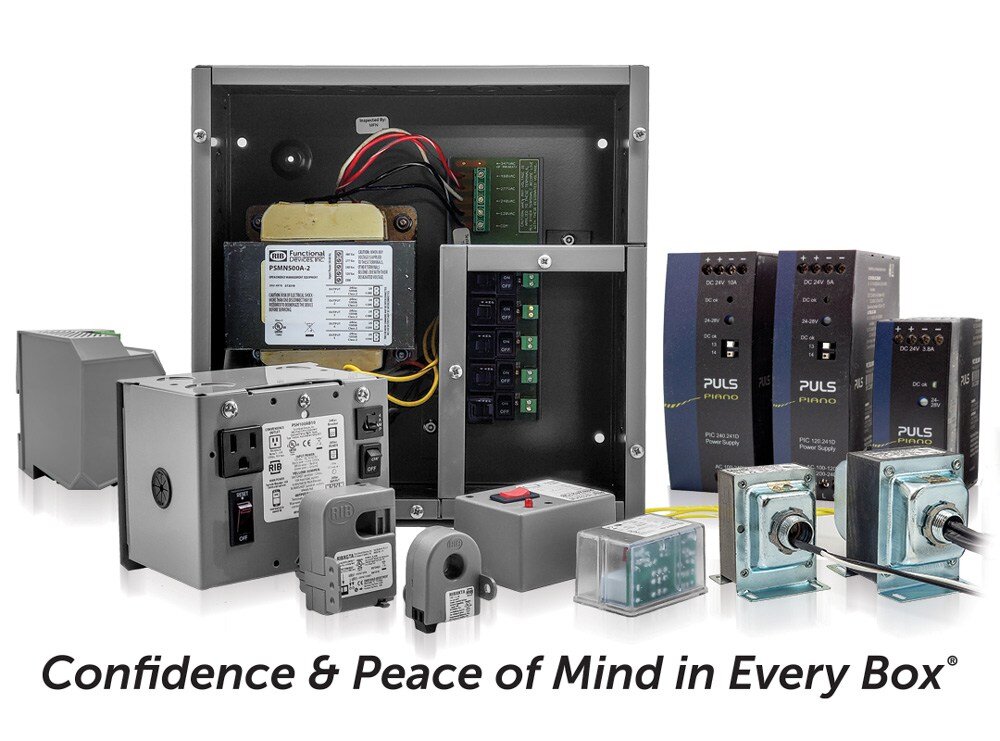
Functional Devices, Inc., located in the United States of America, has been designing and manufacturing quality electronic devices since 1969. Our mission is to enhance lives in buildings and beyond. We do so by designing and manufacturing reliable, high-quality products for the building automation industry. Our suite of product offerings include RIB relays, current sensors, power controls, power supplies, transformers, lighting controls, and more.
We test 100% of our products, which leads to less than 1 out of every 16,000 products experiencing a failure in the field.
Simply put, we provide users of our various products confidence and peace of mind in every box.